Key Takeaways
Selecting the right structural engineering firm is the foundation of a safe, seamless, and spectacular home renovation in Toronto and the GTA. Here are the most actionable insights to guide your decision, ensuring confidence and peace of mind throughout your project.
-
Prioritize fully licensed and credentialed experts—always confirm PEO licensing, P.Eng status, and up-to-date liability insurance for every engineer and firm you consider.
-
Seek proven local experience by reviewing portfolios featuring GTA-specific projects like basement underpinning, wall removals, and upgrades in heritage homes—this signals practical knowledge and reliability.
-
Choose integrated, in-house service providers for a streamlined process—fewer handoffs, faster approvals, and a single point of contact from initial design to build completion.
-
Demand transparent communication and clear project timelines—look for firms offering pre-scheduled updates, client portals, and honest answers to every question before you sign.
-
Leverage advanced technologies like BIM and VR—top firms deliver accurate 3D plans and virtual walk-throughs so you can visualize and refine your renovation before work begins.
-
Insist on detailed, itemized estimates—avoid hidden costs by requesting bids that outline scope, exclusions, and phased payments, not just lowest prices.
-
Ensure robust insurance and regulatory compliance by asking for written proof of all required policies and confirming active engagement with Toronto’s permitting process and Ontario Building Code updates.
-
Ask strategic questions during consultations—focus on processes for design changes, sample BIM/VR outputs, typical permit timelines, and communication standards to gauge real expertise.
Make these key factors your checklist to confidently select a structural engineering partner—one who builds not just to code, but to the highest standards of safety, beauty, and client satisfaction. Explore the full article for in-depth guidance and smart next steps for your renovation.
Introduction
You’re ready to transform your Toronto home—but one wrong move with your structure could turn the excitement into a costly, stressful ordeal.
Did you know that nearly 30% of residential renovation delays in the GTA are caused by missed engineering steps or permit snags? If you’re planning to remove a wall, lower a basement, or design a dream addition, Choosing a Structural Engineering Firm properly is the foundation that everything else depends on.
It’s not just about getting drawings for city approval—it’s about ensuring your renovation is safe, compliant, and designed to last. The right partner doesn’t just prevent headaches; they guide you from concept to completion with clarity, precision, and peace of mind.
So, what makes a true expert stand out in Toronto’s crowded renovation scene? Look for a firm that delivers:
-
Proven local experience—with GTA-specific projects and municipal know-how
-
Transparency and clear communication—so you never feel left in the dark
-
Integrated, in-house services—design, engineering, permitting, and construction, all under one roof
-
Tech-forward solutions, like BIM and VR, that help you visualize and refine your project before a single beam moves
By investing in a team known for engineering precision and construction excellence, you’re not just protecting your biggest asset—you’re unlocking the smoothest path to a home that’s both beautiful and resilient.
This guide unpacks the essential factors that Toronto homeowners—and tech-savvy renovators—should consider before signing on the dotted line. From credentials and innovative tools, to transparent pricing and seamless support, you’ll discover what separates trusted experts from costly mistakes.
Curious how a structural engineer leads your project safely from vision to reality? Here’s how Choosing a Structural Engineering Firm lays the groundwork for a worry-free, future-proof renovation.
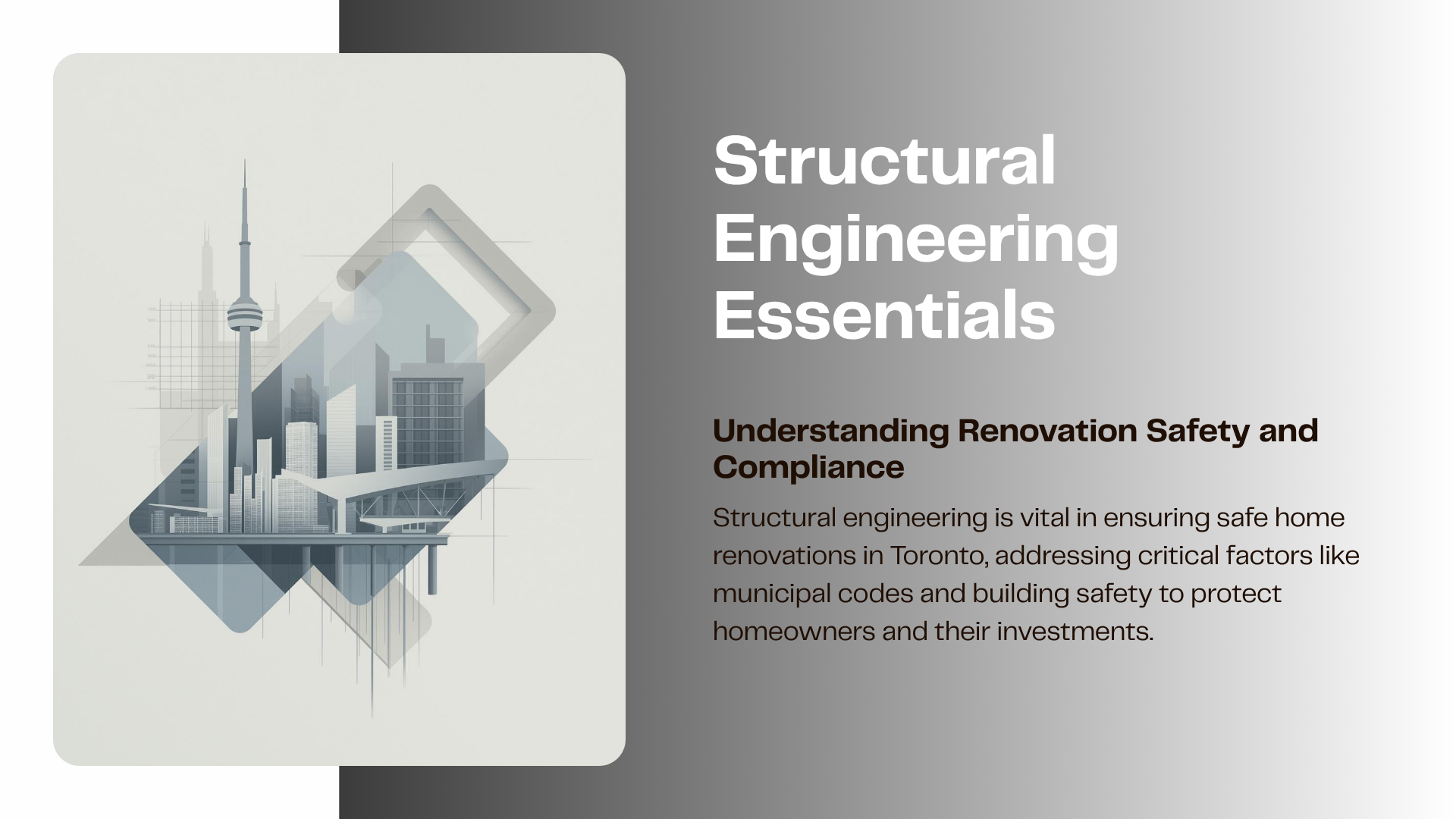
Understanding the Role of a Structural Engineering Firm in Your Renovation
Why Structural Engineering Is the Foundation of Safe Renovations
A structural engineering firm is the backbone of any major home renovation in Toronto—especially where walls move, floors change, or extra stories are added.
They:
- Assess your home’s structure and determine safe possibilities for change
- Design solutions that meet Ontario Building Code and municipal standards
- Protect against costly errors and future structural issues
Neglecting expert engineering input at the start can mean permit headaches, failed inspections, or expensive fixes down the road.
“Home renovations only work when what’s beneath the surface is as strong as what’s seen.”
Project Phases Managed by Structural Engineers
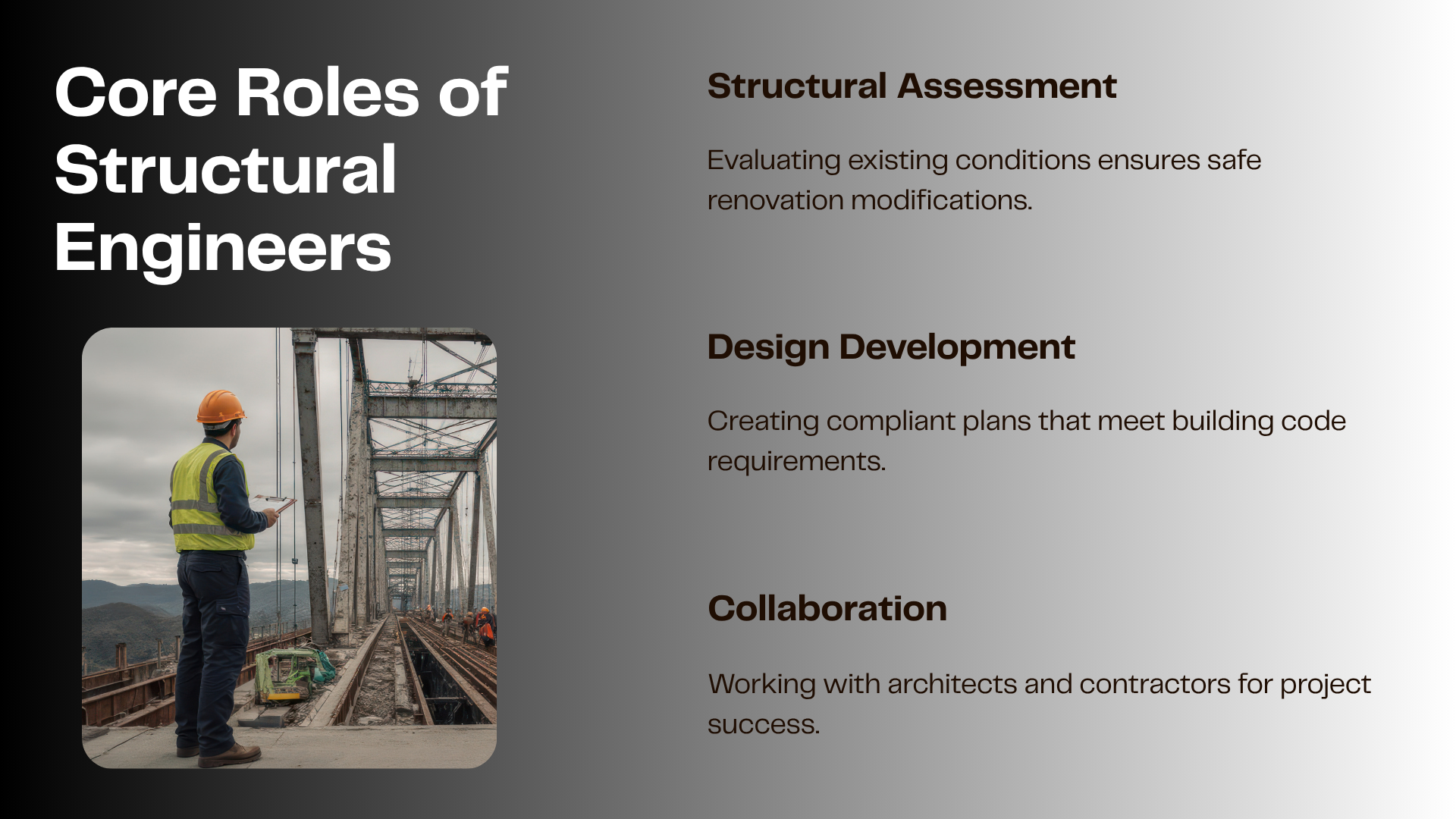
From the first walkthrough to final inspections, structural engineers guide projects through every critical milestone:
- Assessment: Evaluate site, load paths, and existing structure
- Design: Create compliant, safe plans and structural drawings
- Permitting: Prepare documents that help secure city approvals fast
- Inspections: Oversee construction for code compliance
- Collaboration: Work with builders, architects, and clients at every step
Modern firms in the GTA also streamline these steps with digital modeling, BIM, and collaborative project platforms.
Toronto/GTA Renovation Needs: Local Expertise Counts
Toronto and the GTA present unique challenges—from tight urban lots to heritage homes with hidden quirks.
Homeowners benefit when their engineers are:
- Local, with knowledge of municipal zoning and history
- Experienced with projects like basement underpinning, additions, or aging brickwork
- Proactive in addressing city-specific permitting hurdles
Early engagement with a local specialist often shaves weeks off timelines and greatly reduces stress.
Integrated Services: Engineering Meets Construction
Choosing a firm that integrates both engineering and construction services means:
- Fewer handoffs, less miscommunication
- Faster permit approval and build
- One reliable point of contact from blueprint to final walkthrough
Imagine a team that coordinates your vision, city regulations, and builder communication—eliminating confusion and keeping your project moving.
When selecting a structural engineering firm, prioritize one that provides transparent, end-to-end expertise. Their involvement is the foundation for safe, seamless, and spectacular home transformations in Toronto and the GTA.
Evaluating Professional Qualifications and Credentials
Licensing, Certifications, and Regulatory Compliance
Choosing a structural engineering firm in Toronto starts with one non-negotiable step—confirming all required licenses and certifications.
Both the firm and its engineers must be licensed by provincial and municipal authorities. Individual engineers need the Professional Engineer (P.Eng) designation, issued by Professional Engineers Ontario (PEO). This is your assurance of recognized training, ethical standards, and up-to-date skills.
Look for:
- Active P.Eng status for all senior engineering staff
- Firm-level certificates of authorization from PEO
- Up-to-date registration with the City of Toronto for projects in municipal boundaries
Specialized certifications add value—think LEED accreditation for sustainability or PMP certification for project management. These signal that the team can handle complex builds with advanced requirements.
Working with an unlicensed or uncertified provider exposes homeowners to serious risk, including municipal stop-work orders and costly legal issues.
Safety and Code Compliance
Toronto structural engineers must design to the Ontario Building Code—not just for legal approval, but for your safety. Failure to comply can result in forced tear-downs or denied permits.
Firms should track updates to:
- Ontario Building Code amendments
- Local city permit regulations
- Changing standards for safety and accessibility
Picture this: catching a building code gap during design—before construction starts—can save you tens of thousands in rework and delays.
Insurance and Liability Protection
Don’t sign a contract until insurance is verified. Professional liability insurance guards against design errors, while worker’s compensation protects you if someone is injured on-site.
Expect reputable firms to provide:
- Certificate of professional liability (errors & omissions) insurance, minimum $2 million coverage
- Proof of workers’ compensation (WSIB) and general liability insurance
Always request copies of current certificates as part of your due diligence. This isn’t optional—it’s your financial safety net.
Instantly Actionable Checklist
Before hiring, confirm:
- The firm is PEO-licensed and all lead engineers hold P.Eng status
- Specialized certifications match your project needs
- The latest Building Code requirements are followed
- Professional liability, workers’ compensation, and general insurance are current—and provided in writing
When you see a firm with the right credentials, certifications, and up-to-date insurance, you know you’re dealing with professionals who put your safety, budget, and peace of mind first. A firm’s qualifications are your assurance every decision is grounded in expertise—not guesswork.
Assessing Experience, Portfolio, and Sector Expertise
Track Record with Comparable Projects
A structural engineering firm’s local experience can make the difference between a seamless renovation and a costly delay.
Focus on companies with a solid track record handling Toronto-area home projects like:
- Underpinning old basements
- Second-story additions
- Load-bearing wall removals
- Structural upgrades in historic homes
Picture this: You’re planning a main-floor open-concept remodel. A firm that’s already completed 20 similar load-bearing wall removals in the GTA brings confidence, not guesswork, to your project.
Review the firm’s portfolio for:
- Projects similar in scope, complexity, and style to yours
- Evidence of both technical skill and creative, client-focused solutions
- Before-and-after photos, detailed descriptions, and design renderings
Request case studies or even a short virtual tour of a completed renovation. This firsthand view helps you see the difference between standard work and “wow-factor” engineering.
One shareable insight: “A portfolio packed with homes like yours is the fastest trust-builder you’ll find.”
Reputation and Client Feedback
Online reviews and client testimonials can reveal what it’s really like to work with a firm.
Here’s how to dig deeper:
- Search for verified Google reviews, Houzz ratings, and industry awards
- Read testimonials on the company website and ask for professional references
- Watch for unresolved complaints or patterns of poor communication
Red flags to watch include:
- Consistently late responses to client messages
- Vague or defensive answers about project setbacks
- Minimal detail or “cookie cutter” feedback in testimonials
Transparency matters: A great firm is upfront about past challenges, values honest feedback, and uses it to get better. Ask how they handle unexpected surprises or resolve client concerns; their answer says a lot about their integrity.
One quotable tip: “When the praise is specific and the references are real, you know you’ve found the right partner.”
A proven track record and authentic, positive client feedback are your best indicators of success. Prioritize firms with deep local experience, a transparent reputation, and a portfolio that aligns with your dreams—that’s how you ensure your renovation vision becomes reality.
Scope of Engineering Services and Project Support
Range of Services Offered
Choosing a structural engineering firm is about more than just drawings—it’s about comprehensive service from start to finish.
Picture this: your project starts with a thorough structural analysis of your home, followed by a tailored design and detailed technical reports.
Expect these core services:
- Structural analysis to ensure safety and code compliance
- Creation of custom structural designs matching your goals
- Preparation of technical reports and permit documentation
- Coordination for all required municipal permits
- Regular site inspections during key build phases
Look for firms that deliver value-added advantages such as:
- Building Information Modeling (BIM) for detailed, 3D digital plans
- Virtual reality (VR) visualizations, turning blueprints into virtual walkthroughs
- Integrated construction management—where design and build teams work as one
These in-house, end-to-end services mean:
- Streamlined communication—no middlemen, no misunderstandings
- Faster timelines and cost control from the first plan to the final inspection
- A single point of accountability, reducing your stress at every step
“Having all aspects handled by one expert team gives you unmatched peace of mind and project clarity.”
—
Collaboration with Stakeholders
A top firm doesn’t operate in a vacuum—they bring together every voice at the table.
Your structural engineer will work closely with:
- Architects for design coordination
- Contractors to ensure plans are practical and executable
- Municipal authorities to fast-track permits and inspections
- You, the homeowner, so you’re always part of the process
Modern firms use real-time collaboration tools—think client portals, shared project dashboards, and scheduled virtual meetings.
This transparent, collaborative approach helps:
- Prevent costly delays or last-minute changes
- Spot potential design or build issues early
- Keep you informed and empowered from day one
“Collaboration is the bridge between vision and reality—with the right team, your dream renovation is always within reach.”
—
Whether you’re dreaming of an open-concept space or a safe second-story addition, in-house, tech-forward engineering support means you’re never left navigating the details alone. Prioritize firms who offer end-to-end solutions and open, expert communication for a smooth, stress-free renovation journey.
Communication, Transparency, and Client Support
Setting Expectations and Process Transparency
Clear, proactive communication is the backbone of a stress-free renovation in Toronto.
A reputable structural engineering firm will outline every project phase, from assessment to final inspection, before any work begins.
You should expect:
- Detailed timelines for each project milestone
- Easy-to-read deliverables lists for design, documentation, and reporting
- Pre-scheduled updates through meetings, calls, or digital collaboration tools
Digital tools—like shared project dashboards or dedicated client portals—are now industry standard, letting you track progress in real time. According to recent client surveys, homeowners who received frequent milestone updates reported 20% higher satisfaction levels compared to those who didn’t.
A great firm removes ambiguity by answering questions such as:
- Who will be your main point of contact?
- How will setbacks or changes be communicated?
- What is the process for reviewing and approving decisions?
“You should never feel unsure about what comes next—clarity is non-negotiable.”
Honesty and Client-Centered Service
Trust is earned through honest, upfront conversations about both potential and pitfalls.
Picture this: During your initial consultation, the engineer not only praises your vision but also details which structural changes might add unexpected costs or require permit changes. That’s the candor clients remember.
Look for these signs of client-first culture:
- Transparent proposals that openly discuss feasibility, risks, and alternative solutions
- Engineers who encourage your questions (and answer without jargon)
- Genuine interest in understanding your goals, not just closing a deal
“A truly client-centered engineer makes you feel like a partner, not a transaction.”
Most red flags—like vague estimates or unclear next steps—surface early. Trust your instincts: clear, open communication and visible accountability are the hallmarks of reliable firms in the GTA.
When you prioritize firms with clear communication, proactive transparency, and true client support, you gain not just a better renovation, but real peace of mind—no guessing, no surprises, just engineering precision you can trust.
Technology, Innovation, and Modern Tools
Leveraging Advanced Technology
Choosing a structural engineering firm that uses modern technology is no longer a bonus—it’s essential for precision and peace of mind.
Look for firms that incorporate:
- Building Information Modeling (BIM): Delivers highly accurate, interactive 3D models of your renovation, letting you “walk through” your home before construction begins.
- Virtual reality (VR) tools: Allow you to experience your future space, catching issues or preferences early—before decisions become expensive.
- 3D structural modeling software: Improves accuracy of calculations, visualization, and material estimation, directly reducing surprises and rework.
Picture this: You slip on VR goggles and move through your new open-concept kitchen, spotting details you’d tweak—months before the first hammer swings.
Firms leveraging BIM and 3D modeling have been shown to reduce change orders by up to 40%, streamlining timelines and avoiding costly setbacks.
How Tech Improves Client Experience
Today’s best firms use technology to:
- Spot structural risks immediately through digital modeling and clash detection
- Shorten approval times by sharing permit-ready BIM outputs with municipalities
- Give you real-time access to digital progress tracking, so you’re never in the dark
“3D visualization turns what-if into what’s next, giving homeowners complete confidence before construction even starts.”
Staying Current with Industry Trends
A firm’s commitment to innovation is an investment in your project’s success.
Ask about:
- Ongoing staff training in the latest design software and digital project management
- Adoption of eco-friendly building practices and sustainable materials
- Use of cloud-based collaboration tools for transparent, up-to-the-minute updates
Questions to ask during consultations:
- “What technology platforms do you use for design and client communication?”
- “How do you ensure your team stays up-to-date on new engineering practices?”
- “Can I see digital previews or walk-throughs of past projects?”
Takeaway
Tech-savvy engineering firms deliver fewer surprises, faster timelines, and more transparent renovations. Choosing a partner with the latest tools gives you both control and clarity every step of the way—making your home transformation as stress-free as possible.
Budgeting, Pricing Structures, and Value Analysis
Understanding Pricing Models and Estimates
Getting your finances right at the start is crucial for a smooth renovation journey.
Structural engineering firms in Toronto typically offer four main pricing models:
- Fixed-fee: A set cost for the entire scope of work, best for straightforward projects with predictable needs.
- Hourly: Ideal for projects where the scope isn’t fully defined—rates in the GTA often range from $120 to $250 per hour.
- Milestone-based: Payments are broken up by completed phases, like design, permitting, and inspection.
- Hybrid: Combines elements of the above, bringing flexibility for both clients and engineers.
Before you sign, always compare detailed bids from several firms.
Look for:
- Explicit scope of work
- Clear exclusions (what’s not included)
- Itemized allowances for potential extras
If one firm’s estimate is much lower, that can be a red flag—unusually low fees often mean corners are being cut or hidden costs are looming.
A reliable firm will take time to walk you through estimates, helping you understand where every dollar goes.
“The best renovation partnership starts with clarity, not just the lowest cost.”
Assessing Value Beyond the Bottom Line
Upfront savings are tempting, but investing in skilled engineering saves time, money, and stress throughout your project.
Here’s how value goes beyond the price tag:
- Reliable firms ensure code compliance, reducing risk of failed inspections or costly corrections down the road.
- Transparent pricing and clear contracts mean fewer surprises and change orders—you stay in control of your budget.
- Engineering precision directly impacts the structural integrity and long-term durability of your home.
Picture this: a clear, step-by-step estimate you can review with your builder, digital documentation to reference any time, and proactive updates at every major milestone.
When your engineering partner prioritizes clear communication and transparency, your renovation feels more predictable and far less stressful.
“You’re not just paying for drawings—you’re investing in peace of mind and the future value of your home.”
In summary, prioritize firms who deliver open estimates, clear contracts, and holistic value—this transforms your renovation from a leap of faith into an empowered, enjoyable process.
Risk Management, Insurance, and Regulatory Considerations
Insurance for Homeowners and Project Protection
Protecting your investment starts with choosing a structural engineering firm that carries the right insurance—no exceptions.
Imagine this: a major renovation is underway and an unexpected design error causes costly delays. The right insurance ensures you’re not left with the bill.
Look for firms that maintain:
- Professional liability insurance (errors and omissions), protecting against design mistakes or negligent advice.
- General liability coverage, safeguarding clients if property is damaged during the project.
- Builder’s risk insurance, covering the structure, materials, and equipment on-site throughout the renovation.
Request written proof of all coverage, checking policy limits and ensuring the expiration date covers your entire project. It’s common practice for reputable firms to provide documentation without hesitation.
A shareable tip: “If a firm hesitates to provide insurance details, treat it as a red flag—protect your renovation before it begins.”
Navigating Compliance and Permits
In Toronto and the GTA, every structural change must meet strict municipal and provincial codes. Navigating this regulatory maze is where your engineering firm’s expertise proves invaluable.
Rely on your firm to:
- Handle permit applications, including all technical drawings, calculations, and sign-offs required by the city.
- Ensure compliance with the Ontario Building Code (OBC), current safety laws, and zoning requirements at every project stage.
- Maintain active licensing with Professional Engineers Ontario (PEO)—an absolute must for legal practice in Ontario.
Working with an unlicensed or uninsured provider exposes you to:
- Permit denials or costly construction halts
- Potential insurance claim rejections
- Legal penalties or forced demolition of non-compliant work
Picture this: you’re ready for a grand unveiling, but your addition is halted due to missing permits or non-compliance—a scenario entirely avoidable by hiring credentialed professionals.
Your Key Takeaway
Insurance and regulatory compliance aren’t just boxes to check—they’re your foundation for a stress-free renovation.
Always verify coverage, demand transparency, and trust only local experts who know how to navigate {Toronto’s} rigorous standards—so your renovation is protected from day one.
Making Your Final Decision: Prioritizing Needs and Next Steps
Choosing the right structural engineering firm isn’t just about ticking boxes—it’s about feeling confident your home will be safe, beautiful, and built to last.
Start by identifying your top priorities: Is your focus budget, timeline, or innovative design? Knowing this up front will make your search more strategic.
How to Weigh Your Criteria: A Simple Framework
Picture this: You’re comparing two firms. One has decades of local experience, while the other boasts advanced technology and glowing testimonials. Here’s how to evaluate what really matters for your renovation:
- List your must-haves: Examples include P.Eng credentials, in-house construction, BIM/VR capabilities, and experience with Toronto permit processes.
- Rank importance: Decide if expertise, total project cost, or client support is non-negotiable for you.
- Mark preferences: Highlight “nice-to-have” features, such as virtual site tours or LEED certification.
This helps you sift through options fast—no more analysis paralysis.
Step-by-Step Decision-Making Process
- Shortlist 2-3 qualified firms with strong project portfolios and positive client feedback.
- Conduct reference checks and request recent client testimonials for honest feedback.
- Review past projects—ask for before-and-after photos or virtual walk-throughs.
- Compare detailed estimates to spot scope differences, exclusions, and extra charges.
- Confirm insurance and license status with Professional Engineers Ontario and through policy documentation.
A good partner should welcome your questions and respond with clarity, not jargon.
Key Questions to Ask During Consultation
Bring this tailored list to your first meeting:
- “How do you approach design changes mid-project?”
- “What’s your typical timeline for permit approval in Toronto?”
- “Can I see sample BIM models or VR walk-throughs from similar homes?”
- “How do you handle communication and updates throughout the renovation?”
- “What’s included in your fixed-fee versus milestone-based pricing?”
Your Memorable Takeaways
The best fit for your project will combine expertise, transparency, and a proven track record in the GTA. Imagine a team passionate about engineering precision that’s just as invested in your peace of mind as you are.
Choosing the right partner isn’t a leap of faith—it’s a step-by-step process you control. The right questions, clear priorities, and trust in real experience make all the difference for your dream renovation.
FAQ
-
What exactly does a structural engineering firm do?
A structural engineering firm designs and analyzes load-bearing systems, ensures compliance with building codes, submits permit documents, inspects structural work, and collaborates with architects and builders to deliver stable, safe buildings. Choosing a structural engineering firm with deep experience in your city (e.g. Toronto) ensures your project meets both safety and municipal standards. -
Why is local experience important when choosing a structural engineering firm?
Local experience means the firm understands city-specific challenges—like heritage bylaws, zoning constraints, or soil conditions. When you’re choosing a structural engineering firm with a strong Toronto/GTA portfolio, you reduce surprises and accelerate approvals. -
How should I compare proposals from different firms?
When choosing a structural engineering firm, ask for itemized proposals that detail scope, costs, exclusions, and change‑order policies. Avoid vague or “lowest cost” bids—they often hide missing services or corners cut. -
What should I verify before hiring a structural engineering firm?
Always confirm P.Eng credentials, PEO licensing, and up-to-date liability insurance. Ask to see original certificates. A firm that hesitates to share this is not safe to trust when Choosing a Structural Engineering Firm. -
Does using BIM and VR matter when choosing a structural engineering firm?
Yes—BIM and VR allow you to visualize your renovation, catch clashes early, and make changes before construction begins. When you choose a structural engineering firm that employs these tools, you minimize delays and costly revisions.
Conclusion
Choosing a structural engineering firm is more than ticking checkboxes—it’s about securing your home’s safety, your financial investment, and your peace of mind.
By prioritizing local insight, robust credentials, transparent communication, and technology-driven design, you set the stage for a renovation that’s not just structurally sound—but elegant, precise, and reliable.
At RAR Construction, we specialize in delivering exactly that. With years of hands-on experience across Toronto and the GTA, our team blends engineering precision with construction excellence—using cutting-edge tools like BIM and VR to turn your ideas into safe, buildable reality.
Whether you’re planning a basement underpinning, load-bearing wall removal, or a full custom home renovation, we guide you from permit to project completion—every step engineered for success.
Book your consultation today and see how RAR Construction makes your renovation smarter, smoother, and structurally superior.
Key Takeaways to Guide Your Decision:
- Verify essential credentials—always confirm P.Eng licensing, insurance coverage, and recent experience with Toronto regulations.
- Assess portfolios and testimonials for genuine, comparable projects that inspire confidence.
- Prioritize integrated services and tech-savvy practices—BIM, VR, and streamlined in-house support mean fewer surprises and faster timelines.
- Insist on clear communication from the first conversation: honest estimates, realistic timelines, and transparent updates should be non-negotiable.
- Trust your instincts—if a firm can’t answer your questions with clarity and enthusiasm, keep searching.
—
Immediate Next Steps for Homeowners:
- Make a checklist of your must-haves—credentials, communication style, and use of modern technology.
- Contact 2-3 top-rated firms for consultations, bringing your project questions and priorities to the table.
- Request digital walk-throughs or case studies of similar renovations to see their quality up close.
- Ask for copies of licenses and insurance certificates—before any contract is signed.
—
The partner you choose today is the key to a home that feels just as strong, beautiful, and thoughtfully built as you dreamed it would be.
Your peace of mind—and your home’s future—starts with one confident step: choose the team whose expertise lets you enjoy the process, every single phase.
“Engineering precision. Construction excellence. Turn your renovation vision into a reality, and make the experience truly remarkable.”
Join our newsletter
Volutpat vel turpis nulla lorem sed semper. Aliquam sagittis sem libero viverra vehicula nullam ut nisl.