At RAR Engineering, we offer tailored, code-compliant structural solutions with a strong focus on safety, function, and performance. Below are our core services, each backed by real-world projects across the GTA.
Structural Engineering Services
Services:
Portfolio Example: Load-Bearing Wall Removal – Richmond Hill, ON
Designed a flush LVL beam system to replace two intersecting load-bearing walls, allowing a seamless kitchen-to-living room transition. Provided stamped drawings and site inspection for permit compliance.
Residential Engineering & Custom Renovation Support
Services:
Portfolio Example: Full-Home Renovation – North York, ON
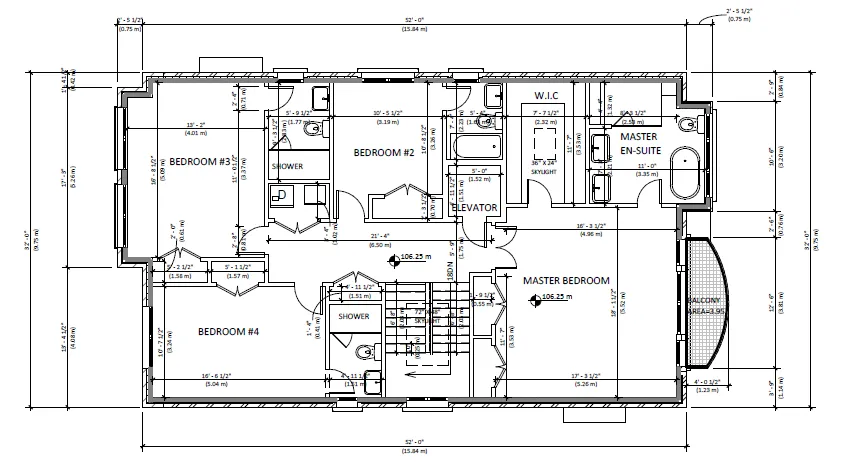
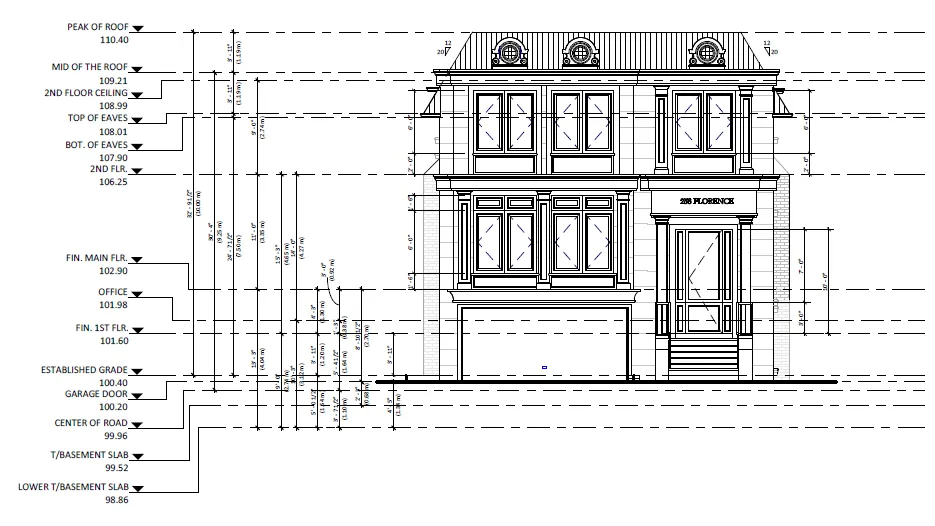
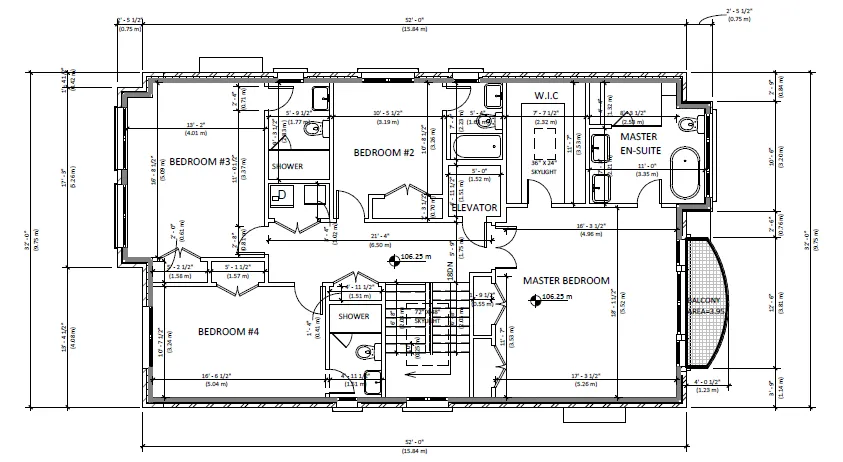
Provided complete structural support for a main floor renovation and second-storey addition. Coordinated with in-house designer to ensure framing aligned with space and load requirements.
Frequently Asked Questions
While savings vary by project complexity, clash detection typically reduces construction costs by 5-10% by preventing rework and delays. A single major clash caught during design can save tens of thousands of dollars compared to field resolution. Beyond direct cost savings, you benefit from shorter construction schedules, improved site safety, reduced change orders, and better overall project quality with fewer warranty issues post-construction.
We primarily use industry-standard software including Autodesk Navisworks for clash detection and Revit for BIM modeling. Our process follows established BIM execution plans and coordination workflows, ensuring compatibility with all major design platforms. We can work with models from various software sources and provide outputs in formats that integrate seamlessly with your existing workflows.
We provide detailed clash report dashboards that categorize conflicts by severity, location, and discipline involved. Each clash is documented with 3D visualizations, specific coordinates, and recommended solutions. Reports are updated after each coordination meeting, showing progress in clash resolution over time. Our transparent reporting ensures all stakeholders understand what needs to be resolved and tracks accountability for fixes.
Clash detection should begin during the early design phase and continue iteratively through construction documentation. We recommend running initial clash tests during schematic design, comprehensive testing during design development, and final validation before construction documents are issued. This phased approach allows issues to be resolved when changes are least expensive and disruptive.
Our clash detection services identify three main types of conflicts: Hard clashes where two components physically occupy the same space (like a beam intersecting with ductwork), soft clashes where insufficient clearance exists for maintenance access or safety requirements, and workflow clashes where construction sequencing creates temporal conflicts. We use advanced software like Navisworks to run comprehensive tests across all building systems simultaneously.
BIM clash detection is a process that identifies conflicts between different building systems (architectural, structural, MEP) in a virtual 3D environment before construction begins. This is critical because it prevents costly on-site rework, reduces construction delays, minimizes material waste, and ensures all building components fit together perfectly. By catching issues during design rather than during construction, you save significant time and money.